LED Screen Industry Solutions
1. Introduction
The LED screen industry has witnessed remarkable growth and technological advancements in recent years. LED screens are now widely used in various fields, from advertising and entertainment to transportation and control rooms, due to their high brightness, energy efficiency, long lifespan, and excellent visual performance. However, with the increasing competition and evolving market demands, companies in this industry need comprehensive solutions to stay ahead. This document presents a series of solutions covering different aspects of the LED screen industry, aiming to address challenges and unlock new opportunities.
2. Technological Solutions
2.1 High - Resolution and Ultra - High - Definition (UHD) Technology
Investment in R & D: Companies should allocate sufficient resources to research and develop high - resolution LED screen technologies. For example, developing Micro LED and Mini LED technologies can significantly improve pixel density. Micro LED, with its tiny chip size, enables extremely high - resolution displays, which are highly sought - after in applications such as virtual production, high - end commercial displays, and large - scale immersive experiences.
Standardization: Establish industry standards for high - resolution LED screens. This will help in ensuring compatibility between different components (such as drivers, control systems, and display panels) and also make it easier for customers to compare products. For instance, setting standards for pixel pitch accuracy, color uniformity, and refresh rate in high - resolution screens will enhance overall product quality and market transparency.
2.2 Energy - Saving Technology
Efficient Power Management Systems: Design and implement advanced power management systems in LED screens. This can include features like automatic brightness adjustment based on ambient light conditions. Sensors can be integrated into the screen to detect the surrounding light levels, and the screen's brightness can be adjusted accordingly, reducing power consumption without sacrificing visual quality.
Low - Power Components: Use low - power LED chips and other electronic components in the manufacturing process. Newly developed LED chips with improved luminous efficiency can emit the same amount of light with less power input. Additionally, optimizing the power consumption of other components such as drivers and control boards can contribute to overall energy savings in the LED screen system.
2.3 Smart and Interactive Technology
Integration of AI and IoT: Incorporate artificial intelligence (AI) and the Internet of Things (IoT) into LED screens. AI can be used for content optimization, such as automatically adjusting the color, contrast, and brightness of the displayed content based on the viewing environment and audience feedback. IoT enables remote monitoring and control of LED screens, allowing for real - time updates, diagnostic checks, and energy management. For example, in a large - scale outdoor advertising network, IoT - enabled LED screens can be monitored and managed from a central control center, reducing maintenance costs and improving operational efficiency.
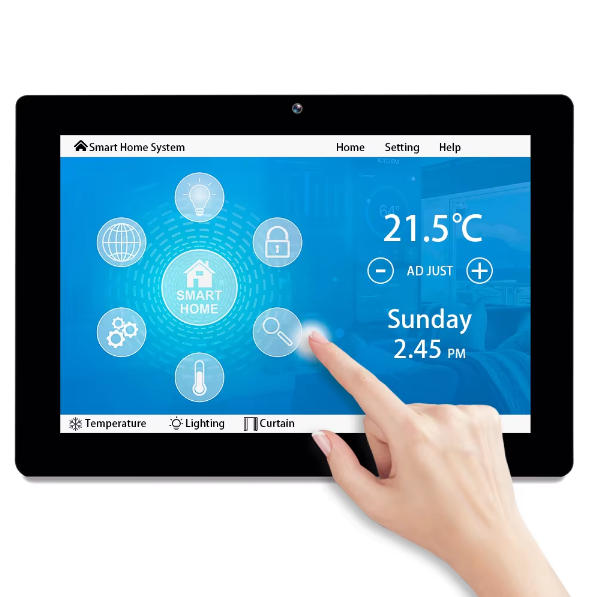
Touch - Interactive and Gesture - Controlled Screens: Develop touch - interactive and gesture - controlled LED screens for applications where user interaction is required, such as in retail stores, exhibition booths, and educational institutions. These screens can provide a more engaging and intuitive user experience, allowing customers or students to interact with the displayed content directly, which can increase the effectiveness of communication and learning.
3. Application - Specific Solutions
3.1 Advertising and Digital Signage
Dynamic and Targeted Content Delivery: Create platforms that enable dynamic and targeted content delivery on LED advertising screens. Using data analytics, advertisers can display different content to different audiences based on factors such as time of day, location, and demographic information. For example, in a shopping mall, an LED screen can display different product promotions at different times of the day, and show specific offers to customers who are in a particular age group or have shown interest in certain products.
3D and Immersive Advertising Experiences: Leverage 3D and immersive technologies in LED advertising screens. With the development of 3D rendering and projection mapping techniques, LED screens can create more eye - catching and memorable advertising experiences. For instance, a large - scale outdoor LED screen can be used to create a 3D virtual product display that appears to pop out of the screen, attracting the attention of passers - by and increasing brand awareness.
3.2 Entertainment (Concerts, Events, and Theaters)
High - Performance Rental Screens: Develop high - performance rental LED screens specifically designed for entertainment events. These screens should be easy to install, dismantle, and transport, while still maintaining high - quality visual performance. Features such as fast - locking mechanisms for quick setup, lightweight yet durable materials, and high - refresh - rate displays are crucial. For example, in a large - scale concert, rental LED screens need to be installed and calibrated quickly, and they should be able to display high - definition video and graphics with smooth motion to enhance the overall visual experience for the audience.
Stage Design and Visual Effects Integration: Collaborate with stage designers and lighting engineers to integrate LED screens into stage designs for enhanced visual effects. LED screens can be used to create dynamic backdrops, changing scenery, and special visual effects during live performances. They can also be synchronized with other lighting and sound elements to create a more immersive and coordinated entertainment experience. For example, in a theater production, LED screens can be used to create realistic virtual backgrounds, adding depth and authenticity to the performance.
3.3 Transportation (Airports, Train Stations, etc.)
Reliable and Readable Information Displays: Design LED screens for transportation hubs that are highly reliable and provide clear, readable information. These screens should be able to operate continuously for long periods without failure, as they are crucial for providing real - time flight or train schedules, gate information, and other important announcements. High - brightness displays with anti - glare coatings are essential to ensure visibility in well - lit airport and train station environments. Additionally, the information on the screens should be presented in a simple and easy - to - understand format, using large fonts and clear graphics.
Multi - Language and Multimodal Information Display: Support multi - language and multimodal information display on LED screens in transportation hubs. Since these areas are visited by people from different parts of the world, the ability to display information in multiple languages is important. Moreover, integrating other forms of information such as visual symbols and animations can make the information more accessible to a wider audience, including those with language barriers or disabilities.
3.4 Control Rooms (Emergency, Traffic, etc.)
High - Precision and Real - Time Data Visualization: Develop LED screens for control rooms that offer high - precision and real - time data visualization. In emergency control rooms, traffic control centers, and other similar applications, operators need to be able to quickly and accurately interpret complex data. LED screens with high - resolution displays, fast refresh rates, and accurate color reproduction can effectively display real - time data such as maps, sensor readings, and video feeds. This enables operators to make informed decisions in a timely manner.
Redundancy and Backup Systems: Implement redundancy and backup systems in LED screen installations for control rooms. Given the critical nature of these applications, any failure in the display system could have serious consequences. Redundant power supplies, signal transmission paths, and display modules can be incorporated to ensure that the screen continues to function in the event of a component failure. Additionally, backup control systems can be set up to take over in case the primary system malfunctions.
4. Market and Business Solutions
4.1 Global Market Expansion
Market Research and Localization: Conduct in - depth market research in target global regions. Understand the local market trends, customer needs, regulatory requirements, and cultural preferences. For example, in some Asian countries, there is a strong demand for large - scale outdoor LED advertising screens in urban centers, while in European markets, there may be more focus on high - quality indoor LED displays for corporate and educational applications. Based on this research, companies can localize their products and marketing strategies, including product features, packaging, and advertising messages, to better suit the local market.
Establishment of Local Partnerships: Build local partnerships in overseas markets. This can include collaborating with local distributors, integrators, and service providers. Local partners can help in navigating the local business environment, providing after - sales service, and building brand awareness. For instance, partnering with a well - established local distributor can significantly expand the market reach of LED screen products, as the distributor already has an existing customer base and sales network.
4.2 Brand Building and Differentiation
Unique Selling Proposition (USP) Development: Identify and develop a unique selling proposition for LED screen products. This could be based on technological innovation, such as being the first to market with a new type of high - resolution LED screen, or on providing exceptional customer service, like offering 24/7 technical support. For example, a company that specializes in developing energy - efficient LED screens can position itself as an environmentally friendly option in the market, targeting customers who are concerned about sustainability.
Quality and Reliability Assurance: Emphasize quality and reliability in brand building. Implement strict quality control measures throughout the product development and manufacturing process. Use high - quality components and conduct rigorous testing to ensure that LED screens meet or exceed industry standards. A strong reputation for quality and reliability can help a company differentiate itself from competitors and build long - term customer loyalty.
4.3 Customer - Centric Service Model
Customization Services: Offer customization services to meet the specific needs of customers. Different customers may have different requirements for LED screen size, shape, functionality, and content display. By providing customization options, companies can increase customer satisfaction and competitiveness. For example, a customer may require a custom - shaped LED screen for a unique architectural installation, or a specific software interface for content management.
After - Sales Service and Support: Strengthen after - sales service and support. This includes providing training to customers on how to operate and maintain LED screens, offering warranty services, and having a responsive customer service team to handle inquiries and technical issues. A good after - sales service can enhance the overall customer experience and lead to repeat business and positive word - of - mouth recommendations.
5. Conclusion
The LED screen industry offers vast opportunities, but also faces numerous challenges. By implementing the technological, application - specific, and market - related solutions outlined in this document, companies in the LED screen industry can enhance their competitiveness, meet the diverse needs of customers, and drive further growth and innovation in the industry. These solutions, when integrated and executed effectively, can help companies not only survive but thrive in the dynamic and competitive LED screen market.