How to choose a vehicle TFT LCD display module
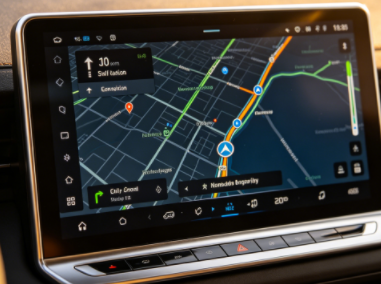
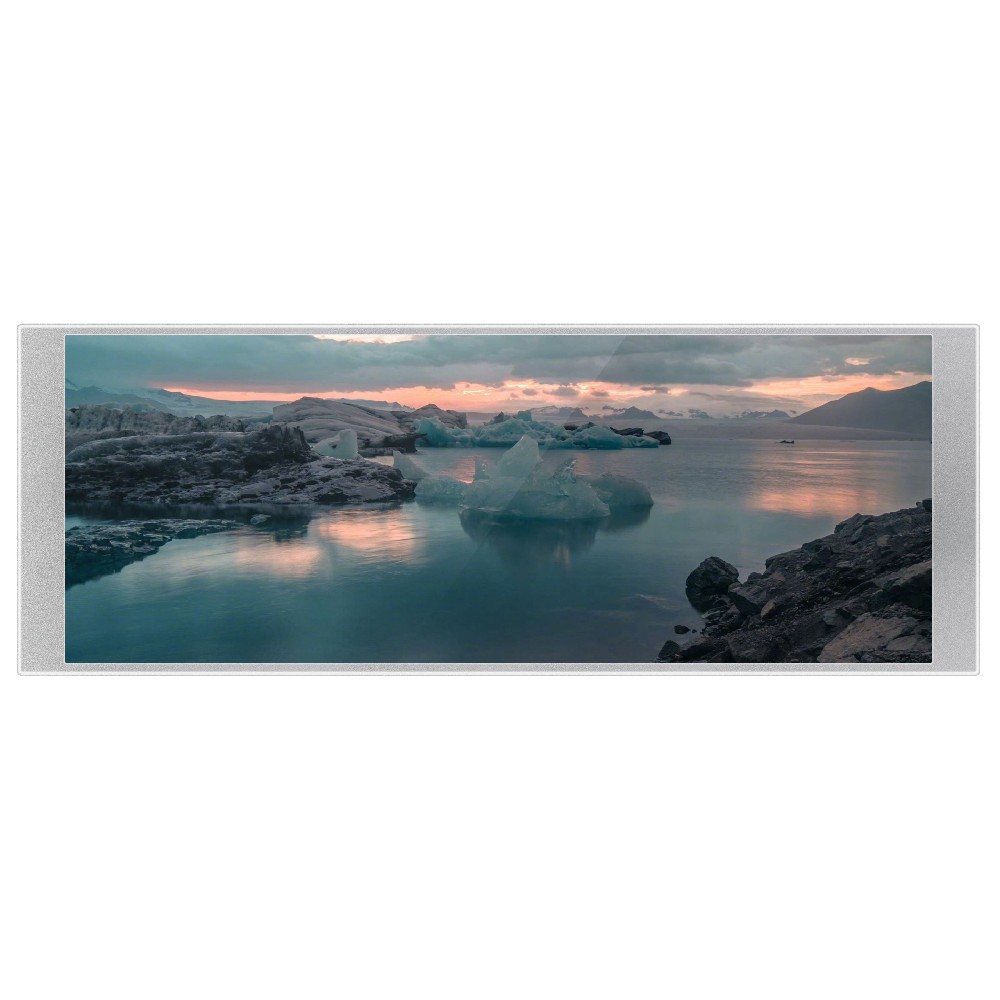
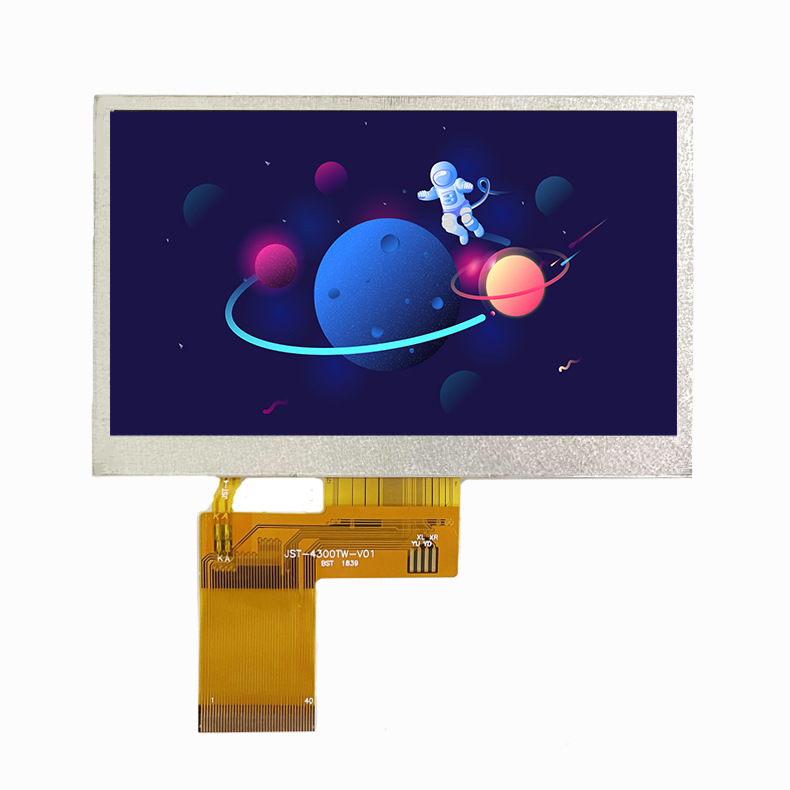
In simple terms, a vehicle TFT LCD display module is a core component of a color screen specifically designed for automobiles and capable of operating stably in the harsh environment inside a vehicle.
When selecting automotive TFT LCD display modules, it's essential to consider both "usability" and "reliability," focusing on the module's environmental adaptability, display performance, and reliability. The automotive environment exposes the vehicle to direct sunlight, extreme temperature variations, and continuous vibration, making selection criteria far more stringent than for ordinary commercial displays.
What are the key factors to consider when choosing a vehicle LCD screen?
Environmental adaptability: The core is "durability".
1.Temperature
When a vehicle is parked in extreme cold or heat, with the interior temperature being either extremely low or extremely high, it is essential to ensure that the screen can start and display normally, without exhibiting blackouts due to low temperatures or color distortion due to high temperatures. Operating temperatures vary: 0°C to 50°C, -20°C to 70°C, -30°C to 80°C, or even -35°C to 85°C.
2. Brightness
When choosing a TFT display, higher brightness is not always better. The brightness of a TFT display depends on its environment. Indoors, a suitable brightness is typically around 300 nits, as the display does not need to withstand direct sunlight. Outdoors, 500 nits is more effective, and in direct sunlight, it can even reach 1000 nits to ensure clear visibility. Excessive brightness in a TFT display can lead to eye strain and reduced contrast between pure blacks and pure whites, thus affecting color and grayscale performance.
3.Shock Resistance
Vehicles experience continuous vibrations during operation, which can lead to screen delamination and loose wiring over time. Therefore, the following mechanical requirements must be met:
- Shock resistance: ≥1.5G (14.7m/s²), with priority given to products reinforced with FPC and optical bonding technology to enhance vibration resistance;
- Surface protection: The panel surface must have a 3H~4H hard coating to prevent everyday scratches; for special scenarios (such as off-road vehicles and commercial vehicles), IP65/IP67 dustproof and waterproof ratings can be selected to prevent dust and water from entering the screen.
4. Viewing Angle
IPS Panel (Preferred): Excellent full viewing angle performance (Left/Right ≥ 170°, Up/Down ≥ 160°), small color shift and high color reproduction. It is currently the mainstream choice for automotive TFT screens, suitable for multi-view viewing scenarios such as central control and co-pilot.
VA Panel: High contrast ratio (1000:1+), displaying purer black, but prone to color shift when viewed from the side. It is suitable for instrument panels with a fixed viewing angle (viewed by the driver from a single angle).
TN Panel: Low cost and fast response speed, but with extremely poor viewing angle (<60°) and poor color reproduction. It is only suitable for low-end after-market scenarios (such as cheap after-market central control) and is not recommended for mainstream automotive use.
Interaction Experience: Smooth and Safe
Modern in-vehicle screens are more than just displays; they are interaction hubs.
Touch Technology: Capacitive touchscreens (PCAP) are preferred. They support multi-touch and are highly responsive. Inside the car, they also need to support wet-hand operation and glove mode (especially in cold regions) to ensure ease of blind operation while driving.
System Performance: The screen requires a powerful processor to handle multiple tasks simultaneously, such as navigation, music, and reversing camera functions, ensuring smooth switching.
Interface and Integration: The "Language" of Communication
The screen must be able to communicate smoothly with the vehicle's brain (ECU).
Interface Type: Common automotive interfaces include LVDS, MIPI DSI, and RGB. When selecting a model, ensure the screen interface is compatible with your motherboard.
Vehicle Bus: If displaying vehicle speed, mileage, and other on-board computer information is required, the module needs to be compatible with the CAN bus protocol.
Quality and Certification: Determines How Long It Will Last
Automotive-grade certification: Prioritize products from suppliers certified to IATF 16949 (Automotive Industry Quality Management System), as these components offer greater assurance in terms of design life and yield.
Conclusion
When choosing an automotive TFT LCD display module, the following four key points can be summarized:
Environmental Resistance: The module must be an industrial-grade module with an operating temperature range of -30℃ to +85℃ and a brightness of ≥800 nits, capable of withstanding extreme cold, direct sunlight, and strong light.
Easy Touch Control: Capacitive touchscreens (PCAP) are preferred, and it must support operation with wet hands and gloves.
Interface Compatibility:Ensure the module's interface (e.g., LVDS, MIPI) is compatible with your motherboard; if displaying data such as vehicle speed is required, the module must also support the CAN bus.
Quality Assurance: Prioritize products that have passed IATF 16949 automotive-grade certification and have undergone high and low temperature and vibration testing.
Hello Lighting Co., Ltd. is a leading player in the field of research, development, manufacturing, and sales of TFT LCD display modules. We specialize in providing innovative display solutions for industries including industrial automation, medical devices, automotive, defense, aerospace, drones, and marine applications.
If you are looking for a reliable automotive TFT LCD display manufacturer, please feel free to contact us: sales@hello-lighting.com. We look forward to cooperating with you!