

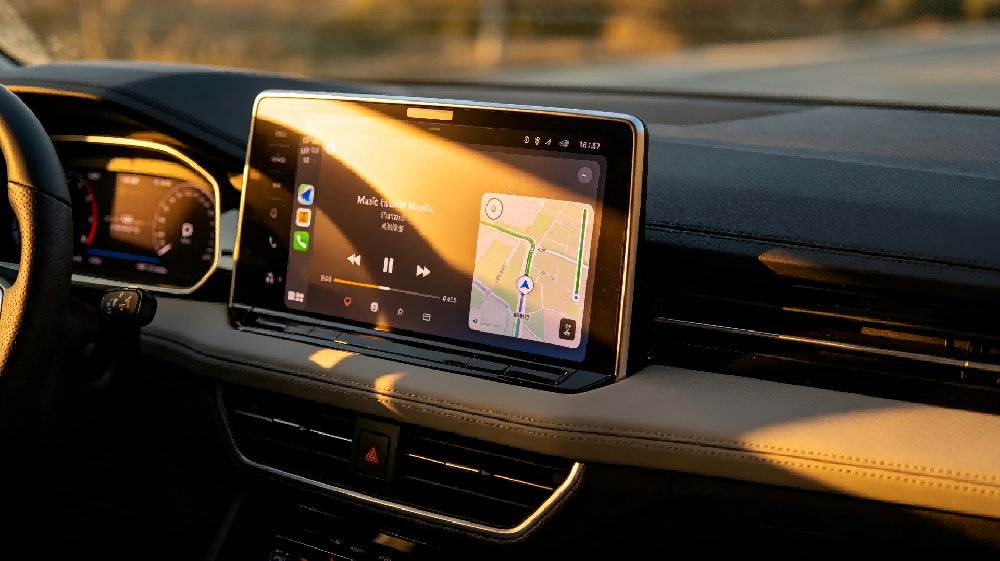
Automotive LCD display screens are viewed from different angles — the driver glancing from the side while keeping eyes on the road, the passenger leaning in, rear-seat occupants watching from behind. In this environment, a display that looks clear straight-on but fades or shifts color off-center becomes more than an annoyance — it becomes a safety concern.Among TFT-LCD panel technologies — TN, VA, and IPS — only IPS panels maintain consistent color, contrast, and brightness across a full 178···
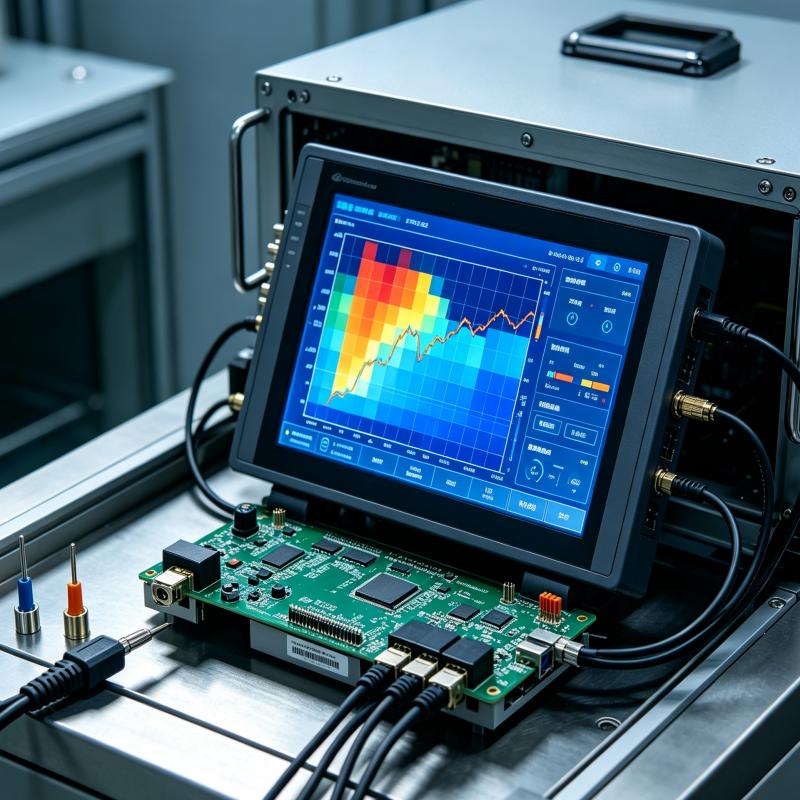
Temperature has a direct effect on TFT LCD performance. Both low and high temperatures can change how a display responds, how the image looks, and how reliably the display operates over time.This is especially important for industrial equipment. A TFT LCD used outdoors, inside a sealed enclosure, or near heat-generating components may experience much wider temperature changes than a display used in a controlled indoor environment.So, how temperature affects TFT LCD performance is an important qu···
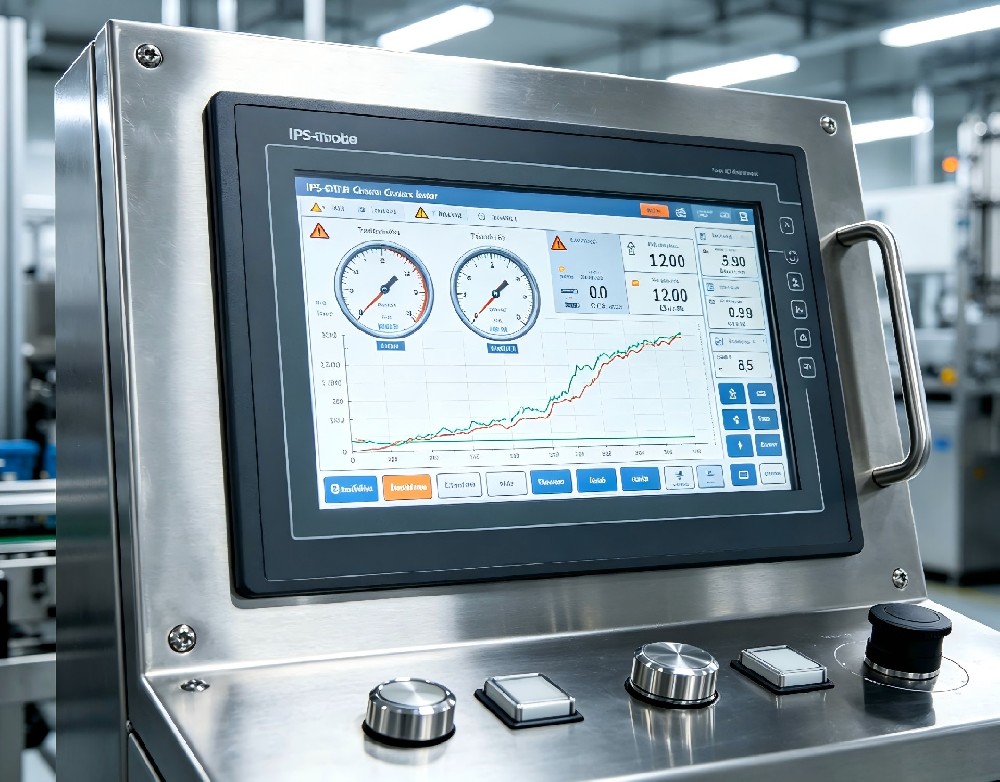
Wide-Temperature IPS-TFT LCD displays are designed for industrial applications where reliable visual performance is required under demanding environmental conditions. Unlike consumer electronics, industrial equipment may operate outdoors, in transportation systems, energy facilities, or other locations exposed to significant temperature changes and continuous operation.In these environments, a standard TFT LCD may experience slower response at low temperatures, reduced optical performance at hig···
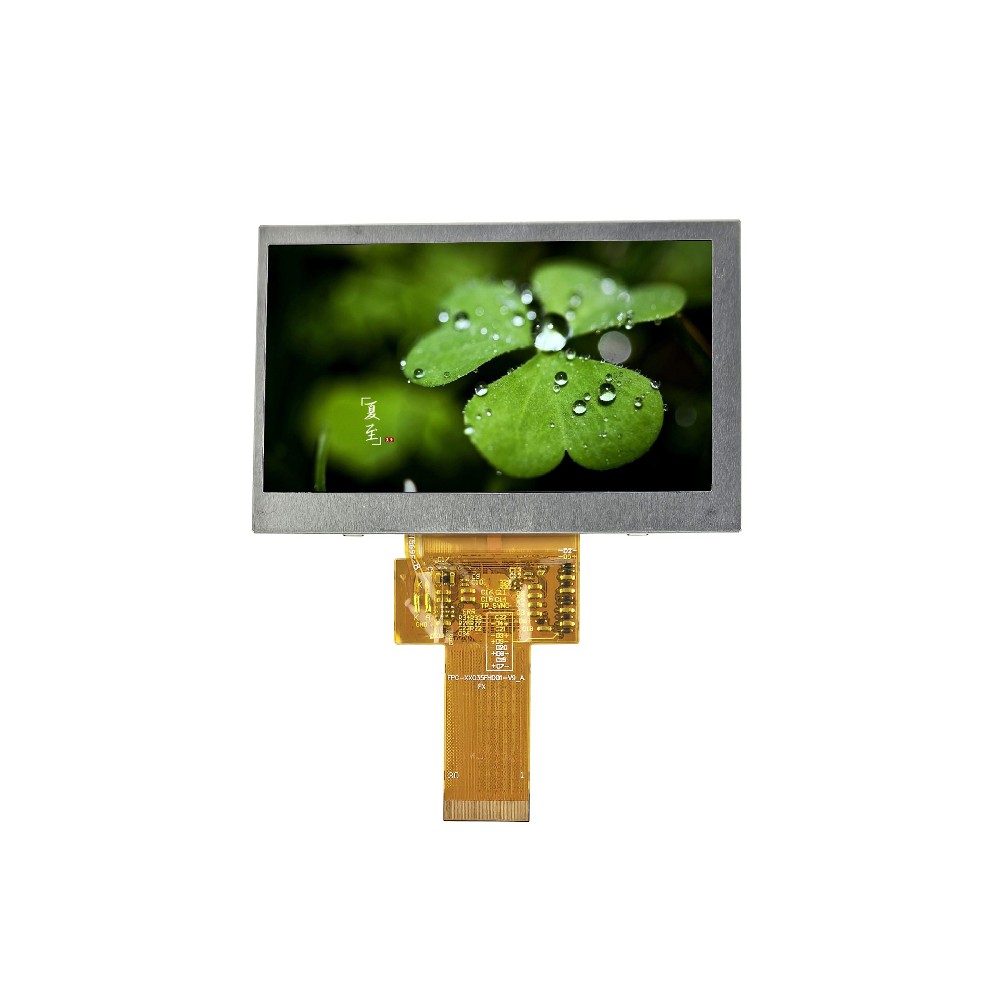
TN (Twisted Nematic), VA (Vertical Alignment), and IPS (In-Plane Switching) technologies each have their own advantages and disadvantages in terms of viewing angle, color accuracy, response speed, contrast ratio, power consumption, and cost. Understanding these differences is crucial for engineers and purchasing decision-makers to make the right choice.This article will explain the fundamental differences between the three technologies starting from their microstructure principles and provide a ···
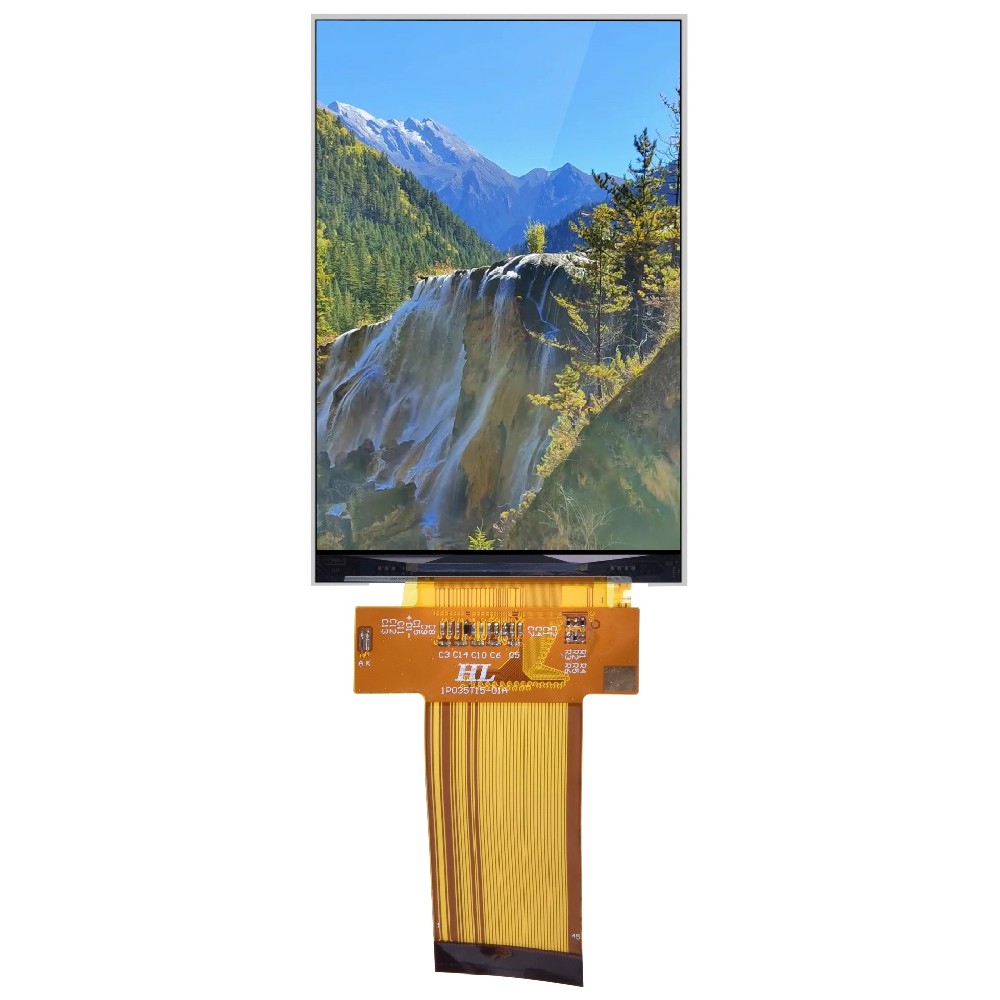
The terms "TFT" and "IPS" often confuse engineers and purchasing professionals when selecting displays for industrial, automotive, or professional equipment, sometimes even leading them to mistakenly believe they are competing display technologies. This misunderstanding can result in poor selection decisions.The key point is that IPS is not a replacement for TFT, but rather an advanced panel technology within the TFT-LCD series.Understanding this relationship is the first ste···
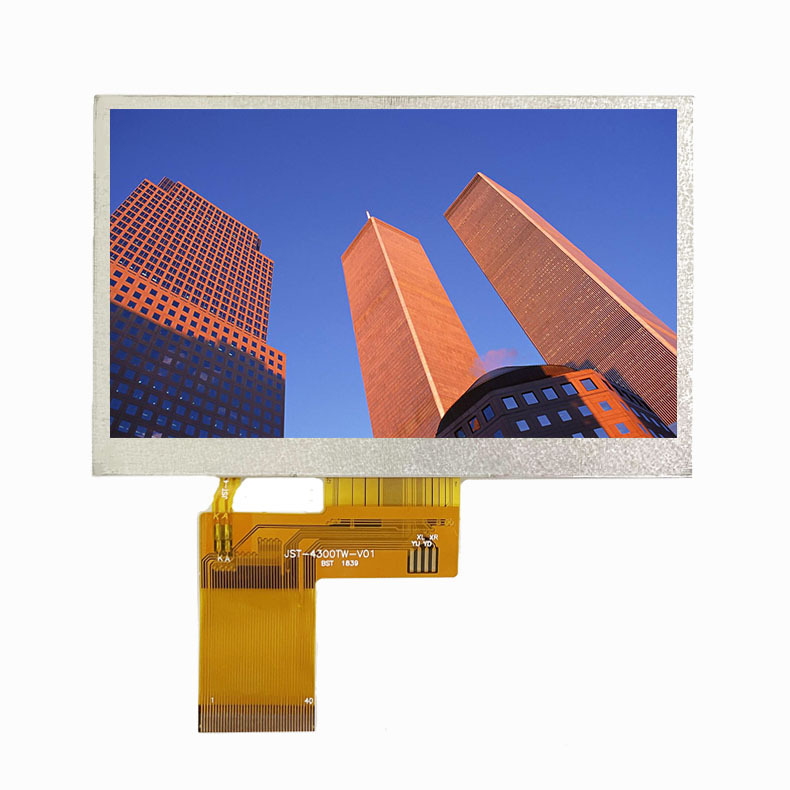
Choosing the right TFT LCD display for industrial applications involves evaluating far more than just screen size or resolution. Unlike consumer electronics, industrial systems typically operate in harsh environments, where reliability, lifespan, and readability directly impact performance and safety. Whether the display is integrated into a control panel, medical equipment, or outdoor machinery, selecting the right TFT LCD requires a clear understanding of the technical specifications and the s···