How to Choose the Right TFT LCD for Industrial Applications
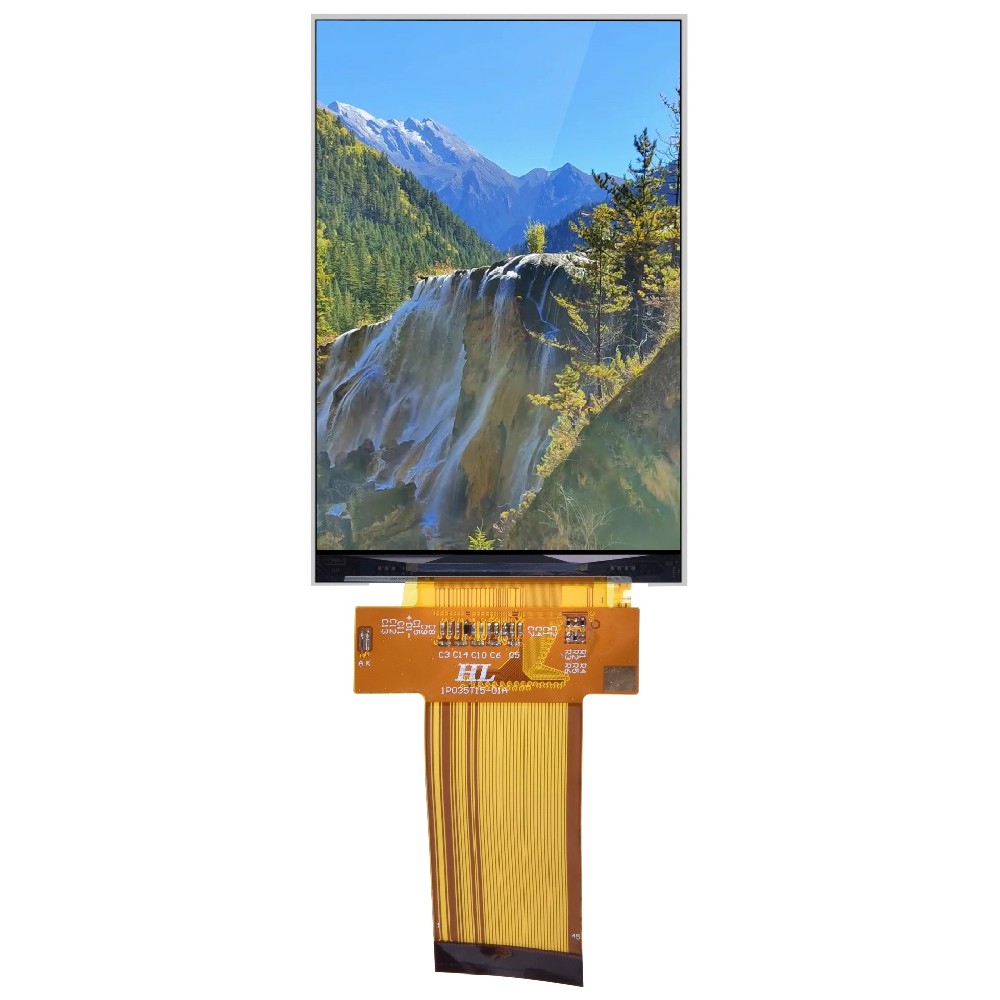
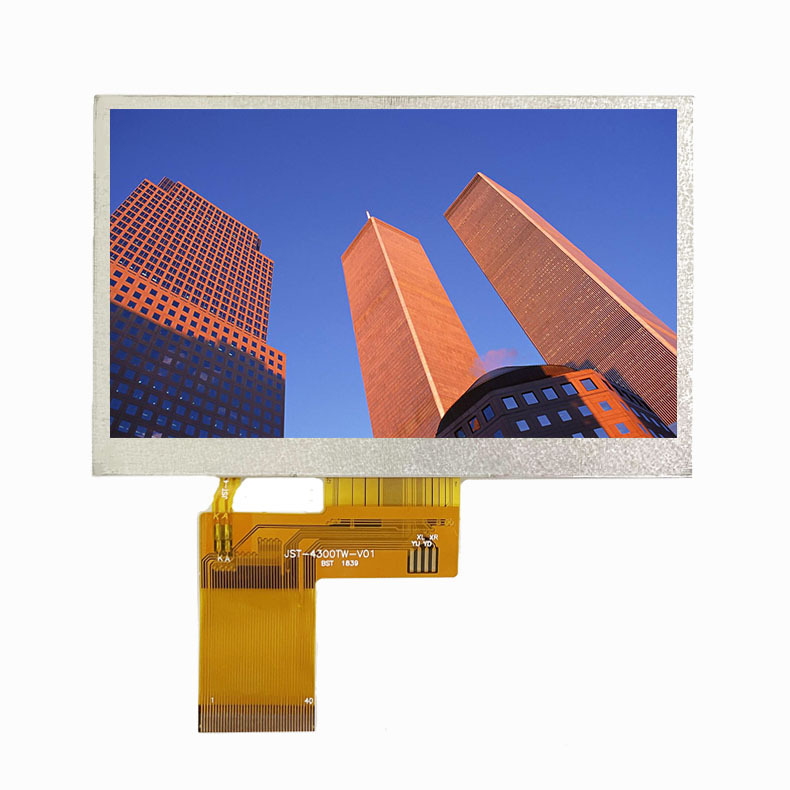
Choosing the right TFT LCD display for industrial applications involves evaluating far more than just screen size or resolution. Unlike consumer electronics, industrial systems typically operate in harsh environments, where reliability, lifespan, and readability directly impact performance and safety. Whether the display is integrated into a control panel, medical equipment, or outdoor machinery, selecting the right TFT LCD requires a clear understanding of the technical specifications and the specific application conditions.
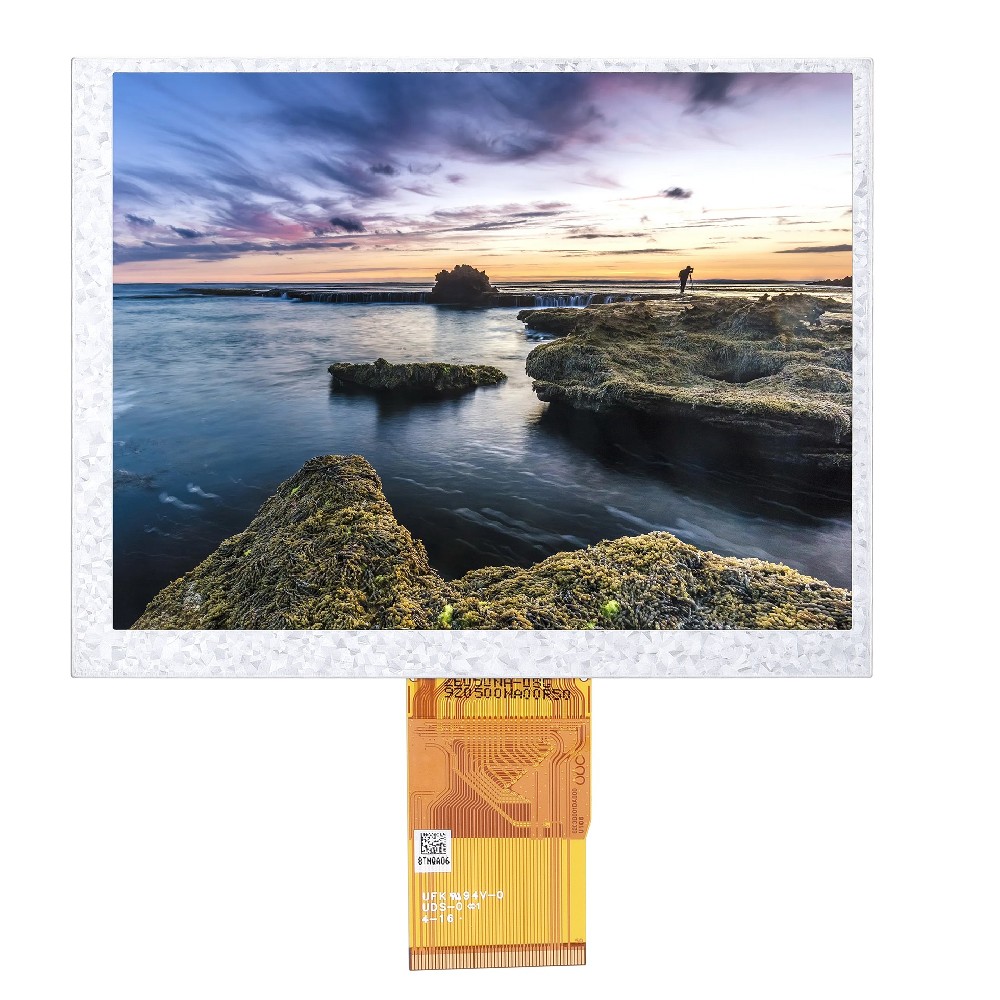
The right choice isn't about pursuing the highest specifications, but about finding the optimal balance between performance, durability, and total cost of ownership. This article will guide you through five key aspects of selecting an industrial LCD display.
Optical Performance — Seeing is Believing
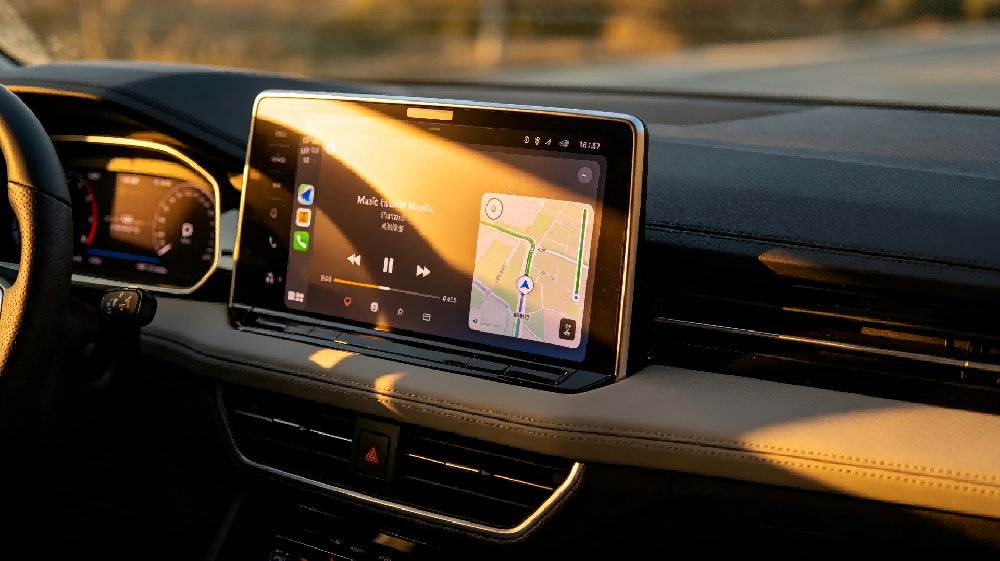
The first and most obvious criterion is whether operators can actually read the screen under real working conditions. A 250-nit display may look perfectly fine in an office, but place it on a factory floor with overhead lighting or near a sunlit window, and it becomes virtually unreadable. For most industrial settings, a brightness level of 600 nits or higher is recommended to overcome ambient light challenges.
Viewing angle is equally critical. In many industrial environments, operators interact with panels from different heights and angles — standing, sitting, or even reaching from the side. This is where IPS (In-Plane Switching) technology outshines TN (Twisted Nematic) panels, offering consistent color and contrast across wide viewing angles. Additionally, anti-glare surface treatments reduce eye strain during long shifts, improving both operator comfort and productivity.
Durability and Environmental Resistance — Built to Last
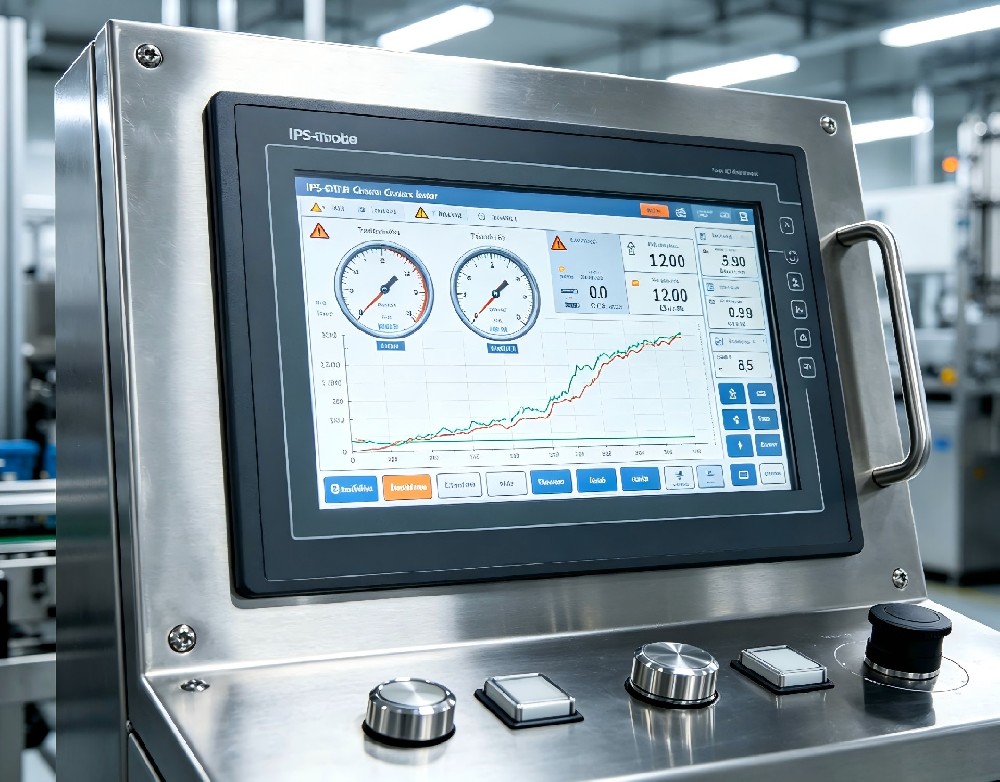
Industrial environments are notoriously unforgiving. Temperature extremes, mechanical vibration, humidity, and dust are everyday realities. A commercial-grade screen rated for 0°C to 50°C will simply not survive in a outdoor kiosk enduring -20°C winters or a steel mill radiating intense heat.
Industrial-grade TFT LCDs are typically designed to operate across a wide temperature range, often from -20°C up to 70°C or even broader. Beyond temperature, vibration resistance is essential for applications in transportation or heavy machinery, where constant motion can loosen internal connections or damage fragile pixels.
One often-overlooked feature is optical bonding, a process where the cover glass is laminated directly to the LCD panel with optically clear adhesive. This eliminates the air gap between layers, preventing internal condensation, improving impact resistance, and significantly boosting sunlight readability. For humid or dusty workshops, optical bonding is not a luxury — it is a necessity.
Longevity and Supply Chain Stability — The Business Case
Industrial projects are long-term commitments. A piece of equipment designed today may need to remain in production for five, eight, or even ten years. Consumer display panels, by contrast, are typically discontinued within 12 to 18 months. If your chosen LCD goes end-of-life (EOL) prematurely, you may be forced to redesign your entire system, a costly and time-consuming endeavor.
That is why product longevity is a non-negotiable criterion. Reputable industrial display suppliers guarantee stable supply for years, often providing 2+ years of availability from the moment of release. Equally important is their EOL management strategy: do they offer pin-to-pin compatible replacements? Do they provide advance notice of discontinuation? These are the markers of a trustworthy partner, not just a component seller.
Interface and Connectivity — The Brain Match
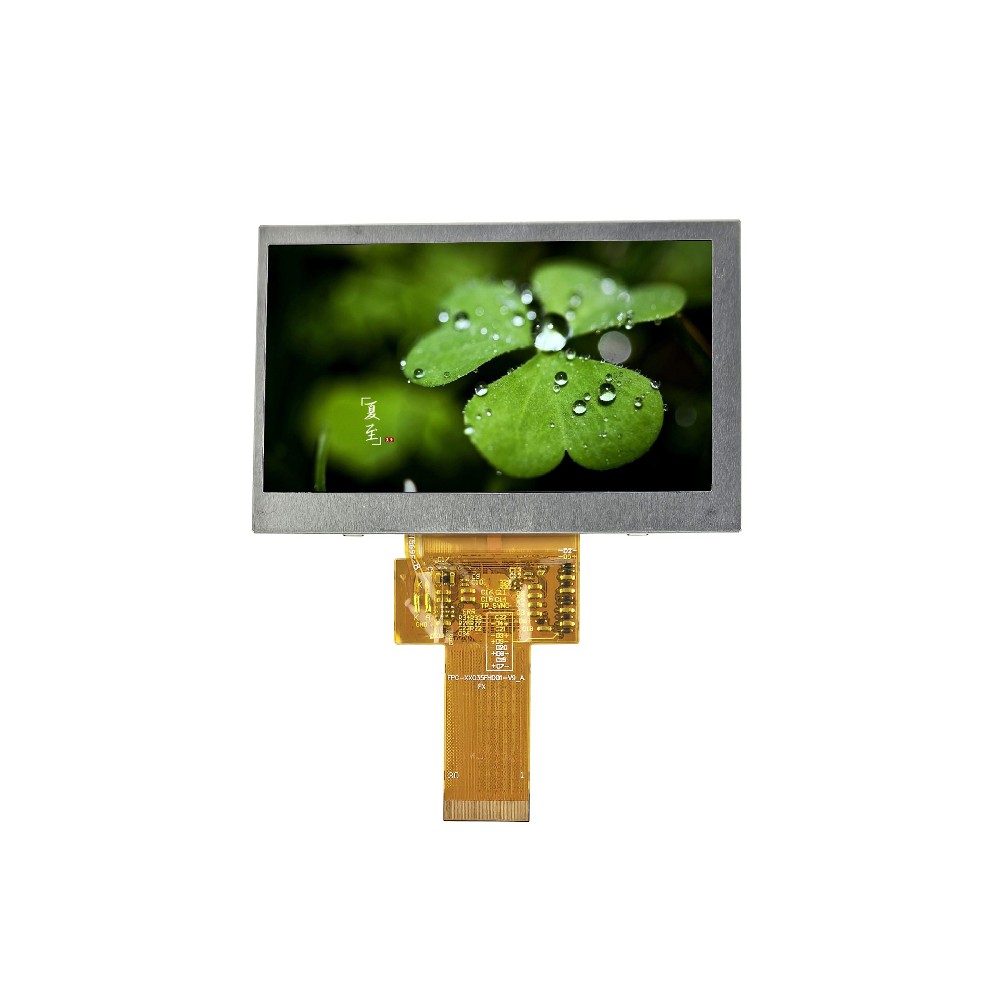
Your LCD must speak the same language as your main controller. Common interfaces include LVDS, RGB, MIPI, and eDP, each suited to different processor architectures and performance levels. Selecting the wrong interface can lead to extended development cycles or even a complete hardware redesign.
Touch integration adds another layer of complexity. While resistive touchscreens remain popular in industrial settings for their compatibility with gloved hands and styluses, capacitive solutions are gaining ground for their superior clarity and multi-touch capabilities. However, if you choose capacitive, ensure the supplier offers glove-touch support — a feature that is not standard on all PCAP panels. Furthermore, availability of driver support and operating system adaptation can dramatically shorten your time-to-market, so always ask about software assistance upfront.
The Hidden Factor — Backlight Lifetime
Brightness specifications can be deceptive. A panel rated at 1,000 nits today may dim to 700 nits after 30,000 hours of operation, well before the end of its nominal lifetime. This gradual luminance degradation is a reality of LED backlight technology, and it directly affects the usable life of your display.
When evaluating backlight performance, look beyond the headline numbers. Pay attention to the MTTF (Mean Time To Failure) and understand the test conditions behind that figure. Ideally, the backlight lifetime should exceed your product's planned maintenance cycle. For equipment designed for five years of continuous operation, a backlight rated for at least 50,000 hours provides a reasonable safety margin.
The Golden Rule: Never Skip the Evaluation Phase
Datasheets rarely tell the full story. Two panels with nearly identical specifications can behave very differently under real-world conditions — thermal stress, power fluctuations, and electromagnetic interference all reveal what paper specifications conceal.
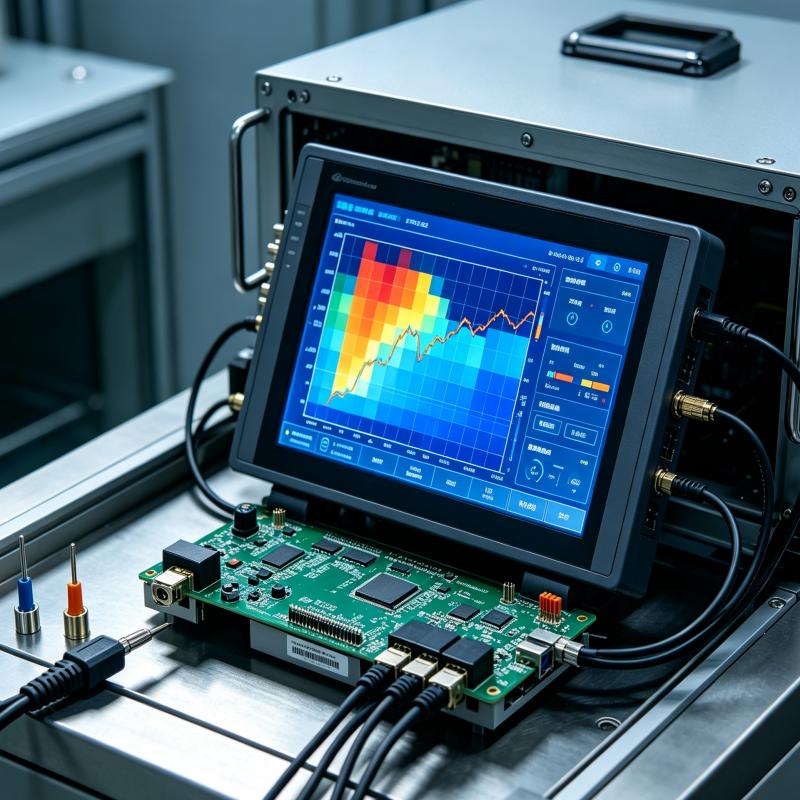
Always request sample units for in-house testing. Evaluate them in your actual housing, under your real lighting environment, and across your expected temperature range. Ask your supplier about custom gamma tuning and schematic review services. These value-added supports are often the difference between a smooth integration and a protracted debugging nightmare.
A Quick Checklist for Buyers
Consideration | Key Question |
Grade | Commercial or industrial? Does your environment demand the latter? |
Brightness | Is 600+ nits necessary for your ambient light conditions? |
Temperature Range | Does the panel cover your site's extreme low and high? |
Supply Continuity | Is a 3- to 5-year availability commitment offered? |
Technical Support | Does the supplier provide driver integration and design review? |
Conclusion: Partnering for Long-Term Success
Choosing the right TFT LCD for industrial applications is not a purchasing decision — it is a strategic partnership that affects your product's reliability, maintenance costs, and brand reputation. The lowest-priced panel is seldom the most cost-effective over a decade of operation.
Take the time to evaluate optical performance, environmental durability, supply stability, interface compatibility, and backlight lifetime. And never underestimate the value of real-world testing with a trusted supplier who stands by their products long after the sale.
After all, a reliable screen is the face of a reliable machine. Choose wisely.
If you need customized industrial lcd displays, please contact us: sales@hello-lighting.com